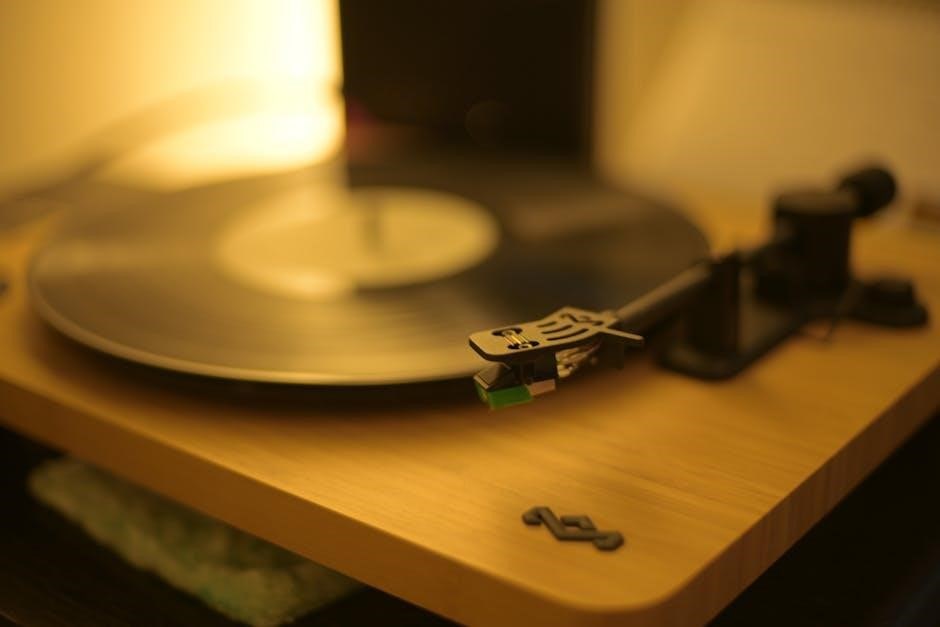
Audio-Technica Turntable Manual: A Comprehensive Guide
Delve into the world of Audio-Technica turntables! This guide explores models like the AT-LP120-USB, AT-LP7X, and the innovative Hotaru, offering setup and maintenance insights.
Audio-Technica has established itself as a prominent force in the audio world, renowned for its commitment to innovation and quality in turntable design. From its early beginnings, the company has consistently pushed boundaries, offering a diverse range of turntables catering to both audiophiles and casual listeners. This dedication is evident in models like the pioneering AT-LP120-USB, released in 2009, marking a significant step for professional, direct-drive turntables within the brand.
Today, Audio-Technica’s portfolio includes both belt-drive and direct-drive options, such as the AT-LP7X and the visually striking Hotaru. These turntables aren’t merely playback devices; they represent a fusion of engineering and artistry, designed to deliver an immersive and captivating listening experience. Understanding the nuances of these technologies is key to unlocking the full potential of your vinyl collection.
History of Audio-Technica Turntable Development
Audio-Technica’s journey in turntable development began with a focus on precision and innovation. While specific early milestones are less documented, the company steadily built a reputation for quality microphone and phono cartridge production, foundational to turntable technology. A pivotal moment arrived in 2009 with the release of the AT-LP120-USB, a groundbreaking direct-drive turntable aimed at professional DJs and enthusiasts.
This model signaled a commitment to bridging the gap between analog tradition and digital convenience. Subsequent years saw continued refinement, leading to models like the AT-LP7X, a manual belt-drive option, and the recent introduction of the visually stunning Hotaru; These developments demonstrate Audio-Technica’s ongoing pursuit of both sonic fidelity and aesthetic appeal in the world of vinyl playback.
AT-LP120-USB: The Pioneering Direct-Drive Model
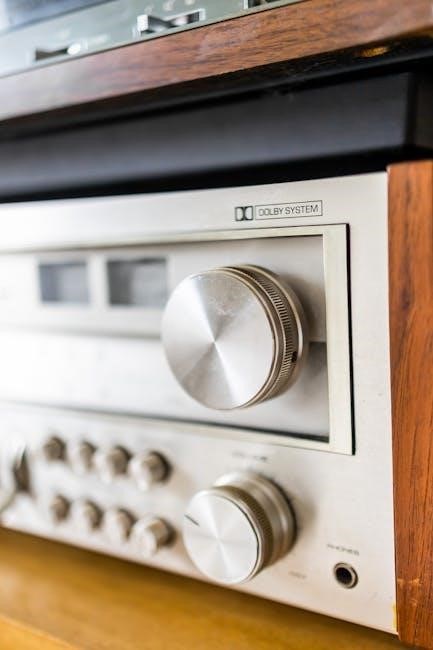
The AT-LP120-USB, released in 2009, marked a significant milestone for Audio-Technica, establishing them as a key player in the professional turntable market. This direct-drive model quickly gained popularity among DJs and vinyl enthusiasts due to its robust build quality and versatile features. It offered a unique blend of traditional turntable functionality with modern USB connectivity for easy digital recording.
Its direct-drive motor provided consistent speed and torque, essential for mixing and scratching. The inclusion of a built-in phono preamp further enhanced its usability. The AT-LP120-USB’s success paved the way for future Audio-Technica turntable innovations, solidifying its position as a pioneering model in the brand’s history.
Understanding Direct-Drive vs. Belt-Drive Turntables
Direct-drive turntables, like the AT-LP120-USB, connect the platter directly to the motor, offering immediate start-up, high torque, and consistent speed – ideal for DJing. They are generally more durable and less prone to speed drift. However, they can sometimes transmit motor vibrations.
Belt-drive turntables, such as the AT-LP7X and AT-LPA2, utilize a rubber belt connecting the motor to the platter. This isolates the platter from motor vibrations, potentially improving sound quality. Belt-drive models typically have a slower start-up and require periodic belt replacement. Choosing between the two depends on your needs: precision and durability with direct-drive, or sonic purity with belt-drive.
Key Features of Audio-Technica Turntables
Audio-Technica turntables are renowned for their precision engineering and quality components. Tonearm design is crucial, with J-shaped arms offering excellent tracking. Cartridge compatibility is broad, with the AT-VM95E being a popular upgrade option.
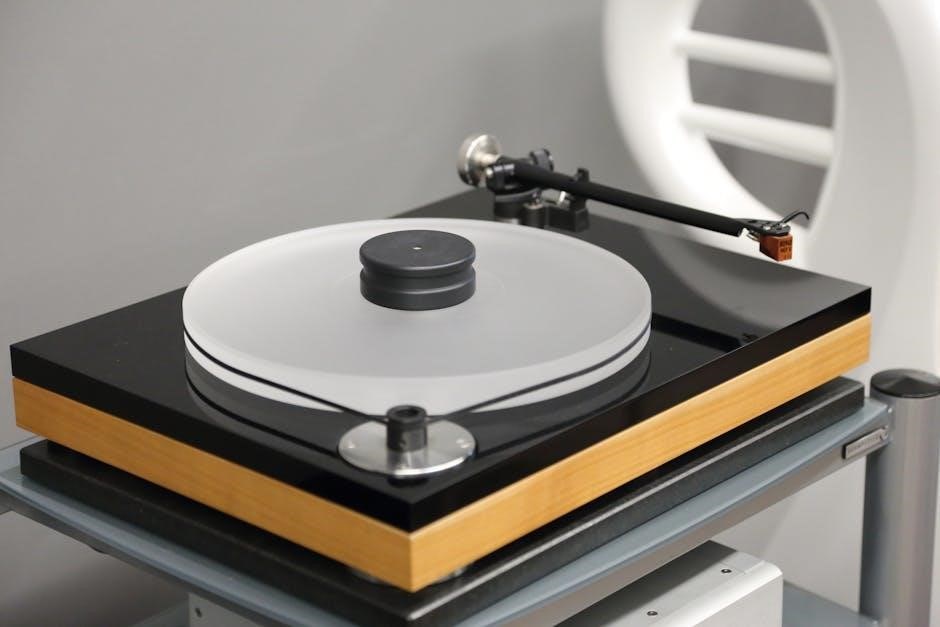
Plinth construction varies; models like the AT-LP7X utilize MDF for vibration damping, while the AT-LPA2 features a striking, over-an-inch-thick acrylic base. The innovative Hotaru employs magnetic levitation, creating a visually stunning and vibration-reducing design. These features combine to deliver exceptional audio performance and a unique user experience.
Tonearm Design and Adjustments
Audio-Technica turntables frequently employ a classic J-shaped tonearm, celebrated for its balance and tracking capabilities. Proper tonearm adjustment is vital for optimal performance. Key adjustments include tracking force, which dictates the stylus’s pressure on the record, and anti-skate, counteracting the inward pull during playback.
Vertical Tracking Angle (VTA) and Azimuth are more advanced settings, influencing channel balance and stereo imaging. Careful calibration of these parameters minimizes distortion and maximizes sound quality. Understanding these adjustments allows users to fine-tune their turntable for their specific cartridge and listening preferences, ensuring a truly immersive experience.

Cartridge Compatibility and Upgrades (AT-VM95E)
Audio-Technica turntables offer broad cartridge compatibility, but the AT-VM95E is a popular choice, known for its excellent sound and affordability. This versatile cartridge suits various musical genres and listening setups. Upgrading the cartridge is a common path to improved audio quality, offering enhanced detail and clarity.
When selecting a cartridge, consider factors like stylus shape (elliptical, Shibata) and output voltage. The AT-VM95E features a replaceable stylus, allowing for future upgrades without replacing the entire cartridge. Proper cartridge alignment is crucial; use a protractor to ensure accurate tracking and minimize distortion, maximizing the turntable’s potential.
Plinth Construction and Materials (MDF, Acrylic)
Audio-Technica employs diverse materials for turntable plinths, significantly impacting sound quality and aesthetics. Medium-Density Fiberboard (MDF) is frequently used for its density and vibration-dampening properties, providing a stable base for the turntable components. MDF minimizes unwanted resonances that can color the sound.
Alternatively, some models, like the AT-LPA2, utilize transparent acrylic, offering a modern visual appeal. Acrylic’s rigidity contributes to reduced vibrations, while its transparency showcases the turntable’s internal mechanisms. The thickness of the acrylic, exceeding an inch in some cases, further enhances stability. Material choice balances sonic performance with design considerations.
Popular Audio-Technica Turntable Models
Audio-Technica boasts a diverse range of turntables catering to various preferences and budgets. The AT-LP7X stands out as a fully manual, belt-drive option, featuring a 40mm MDF plinth and a 20mm acrylic platter, paired with an AT-VM95E cartridge. For a truly unique experience, the Audio-Technica Hotaru offers a mesmerizing floating design, utilizing magnets for levitation and synchronized lighting.
The AT-LPA2 is another fully manual, belt-drive model distinguished by its thick, transparent acrylic base. These models represent Audio-Technica’s commitment to both traditional analog sound and innovative design, offering enthusiasts a spectrum of choices.

AT-LP7X: A Manual Belt-Drive Option
The AT-LP7X is a highly regarded manual belt-drive turntable, designed for audiophiles seeking a traditional listening experience. It features a solid 40mm MDF plinth, minimizing unwanted vibrations and ensuring optimal sound clarity. A 20mm acrylic platter adds further stability and resonance control. The turntable comes equipped with a versatile J-shaped tonearm, enhancing tracking accuracy.
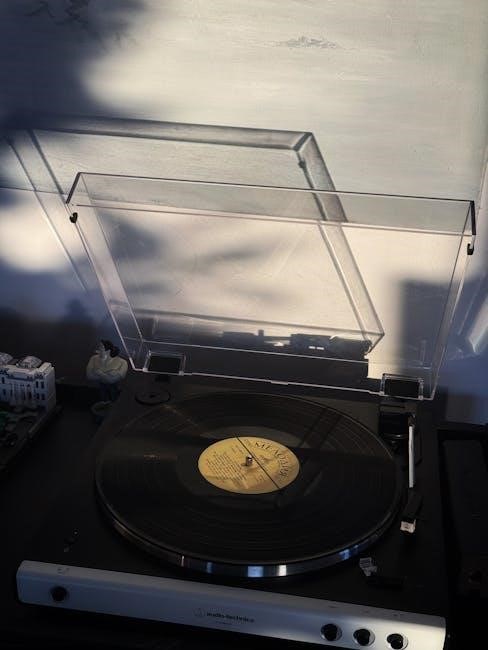
Notably, the AT-LP7X includes the highly-rated AT-VM95E cartridge, known for its detailed and balanced sound reproduction. Priced at $999, it represents a compelling blend of performance and value within the analog revival landscape, appealing to both newcomers and seasoned vinyl enthusiasts.
AT-LPA2: Design and Features
The AT-LPA2 is a fully manual, belt-drive turntable distinguished by its striking aesthetic. Its base is constructed from a substantial, transparent acrylic material exceeding one inch in thickness, offering a modern and visually appealing design. This acrylic construction isn’t merely for show; it contributes to the turntable’s resonance control and overall stability.
As a manual model, the AT-LPA2 requires users to manually cue and lift the tonearm, providing a more engaged listening experience. While specific cartridge details weren’t readily available, the focus remains on delivering a high-fidelity analog playback experience through thoughtful design and material choices.
Audio-Technica Hotaru: The Floating Turntable
The Audio-Technica Hotaru represents a bold step in turntable design, captivating attention with its mesmerizing floating aesthetic. This effect is achieved through strategically placed magnets, creating repulsion between the turntable section and the speaker base, causing it to levitate. Beyond its visual appeal, the Hotaru aims to deliver an immersive sensory experience.
The turntable doesn’t just float; it also incorporates a synchronized lighting system, enhancing the ambiance and creating a captivating visual display alongside the music. Priced at $10,000, the Hotaru is a statement piece, blending innovative technology with a passion for analog sound reproduction.
Setting Up Your Audio-Technica Turntable
Proper setup is crucial for optimal performance. Begin by carefully connecting your Audio-Technica turntable to your audio system, ensuring compatibility with your receiver or amplifier. Pay close attention to grounding – a crucial step to minimize hum and noise; Utilize the provided grounding wire, connecting it to the grounding terminal on your receiver.
Implementing anti-static measures is also vital. Consider using an anti-static brush to clean your records before each play, reducing dust and static buildup. Ensure the turntable is placed on a stable, level surface to prevent vibrations that can affect sound quality. Careful leveling is key!
Connecting to Your Audio System
Establishing a solid connection is paramount. If your receiver lacks a dedicated “Phono” input, you’ll require a phono preamp. Connect the turntable’s RCA cables (red and white) to the phono preamp’s input. Then, connect the preamp’s output to any line-level input on your receiver – such as AUX or CD.
For receivers with a Phono input, connect the turntable’s RCA cables directly to it. Ensure the ground wire is securely attached to the receiver’s grounding terminal. Double-check all connections for tightness. Proper cabling minimizes interference and maximizes signal clarity, delivering the best possible audio experience from your Audio-Technica turntable.
Grounding and Anti-Static Measures
Proper grounding is crucial to eliminate hum and noise. Connect the turntable’s ground wire firmly to the grounding terminal on your amplifier or receiver. A loose connection can introduce unwanted interference; Regularly discharge static electricity by touching a grounded metal object before handling records.
Consider using an anti-static brush before each play to remove dust and reduce static buildup on the record surface. Store records in anti-static inner sleeves to minimize static charge accumulation. Maintaining a clean and static-free environment protects your vinyl and ensures optimal playback quality with your Audio-Technica turntable.
Troubleshooting Common Issues
Experiencing issues? Motor noise or vibration can often be traced to improper leveling or a loose plinth. Ensure the turntable is on a stable, level surface. Tracking issues, like skipping or distortion, frequently stem from incorrect cartridge alignment or insufficient tracking force. Carefully review the cartridge alignment procedure in your manual.
If problems persist, check the stylus for wear or damage. A worn stylus can significantly impact sound quality and potentially damage your records. Consult the manual for specific troubleshooting steps related to your Audio-Technica model. Remember to disconnect the power before attempting any repairs.
Motor Noise and Vibration
Addressing unwanted sounds: Motor noise and vibration are common concerns. First, verify the turntable is placed on a solid, level surface – instability amplifies vibrations. Check for loose screws or components within the plinth; tighten as needed. If using the built-in preamp, try bypassing it to isolate the source of the noise;
For direct-drive models, ensure the platter spins smoothly without wobble. Belt-drive turntables require inspection of the belt for proper tension and condition. A worn or stretched belt can introduce noise. Consult your model’s manual for specific motor maintenance recommendations and troubleshooting steps. Proper isolation is key to a clean listening experience.

Tracking Issues and Cartridge Alignment
Ensuring optimal playback: Accurate cartridge alignment is crucial for minimizing distortion and record wear. Utilize a protractor (available online or with alignment tools) to precisely set the cartridge overhang and offset angle. Incorrect alignment causes tracking errors, resulting in muffled sound or channel imbalance.
Adjust tracking force according to the cartridge manufacturer’s specifications – too light causes mistracking, while too heavy accelerates record wear. Anti-skate settings compensate for the inward pull during playback. Regularly inspect the stylus for wear and cleanliness; a worn stylus significantly impacts tracking performance. Proper alignment and maintenance preserve both sound quality and your vinyl collection;
Maintaining Your Audio-Technica Turntable
Preserving performance and longevity: Regular maintenance is vital for optimal sound and a prolonged turntable lifespan. Cleaning involves gently dusting the plinth and platter with a soft, dry cloth. For belt-drive models, periodically inspect the belt for stretching or cracking – replacement is necessary when degradation occurs.
The stylus requires meticulous care; use a stylus brush to remove dust after each side played. Avoid harsh chemicals. Periodically check and adjust tracking force and anti-skate. Proper care extends the life of your cartridge and records, ensuring continued high-fidelity playback. Consistent upkeep safeguards your investment.
Cleaning and Care
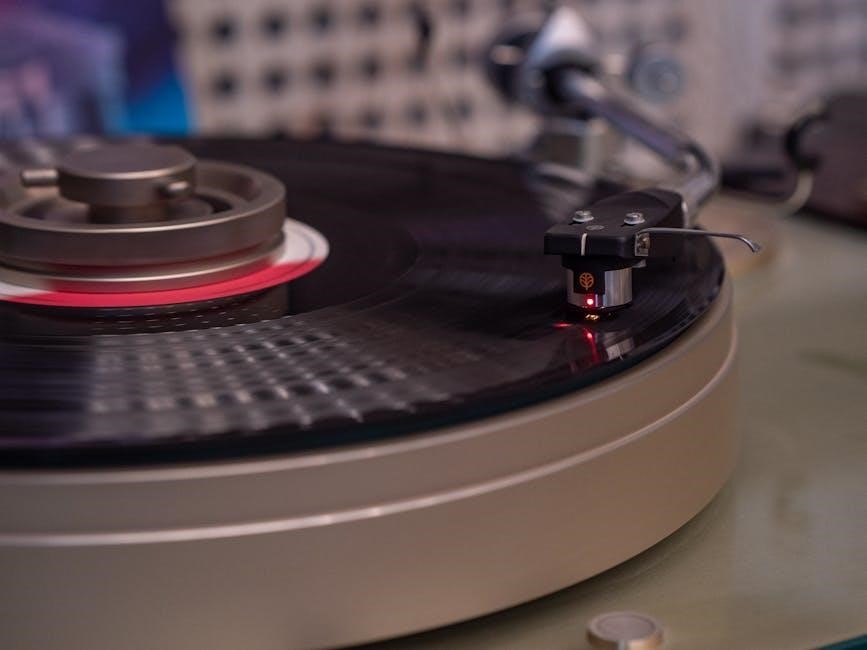
Maintaining pristine condition: Regular cleaning safeguards your Audio-Technica turntable’s performance and aesthetics. Begin by dusting the plinth – the turntable’s base – with a soft, dry, anti-static cloth. The platter, whether acrylic or MDF, benefits from similar gentle cleaning. Avoid abrasive cleaners or liquids directly on the surface.
Critically, the stylus demands careful attention. Utilize a dedicated stylus brush, gently sweeping from back to front after each record side. Never apply side pressure. For deeper cleaning, specialized stylus cleaning solutions are available. Consistent care prevents dust buildup, preserving sound quality and extending stylus life.
Belt Replacement (for Belt-Drive Models)
Restoring optimal speed: Over time, belts in Audio-Technica belt-drive turntables can stretch or degrade, impacting playback speed. Replacement is straightforward. First, disconnect the turntable from power. Carefully remove the platter, often secured with a retaining clip. Gently remove the old belt from the motor pulley and platter sub-platter.
Install the new belt, ensuring it’s correctly seated on both components. Reinstall the platter and retaining clip. Verify proper belt alignment and tension. If the belt appears too loose or tight, consult your turntable’s specific manual for adjustments. A new belt restores accurate speed and minimizes unwanted noise, revitalizing your listening experience.
Advanced Features and Customization
Expanding your sonic palette: Audio-Technica turntables offer features beyond basic playback. USB connectivity, found in models like the AT-LP120-USB, allows direct digital recording to your computer, preserving vinyl collections as digital files. Explore phono preamp options – some turntables include a built-in preamp, while others require an external one for compatibility with standard audio systems.
Further customization involves cartridge upgrades (like the AT-VM95E) to refine sound quality. Experiment with different cartridges to tailor the sound to your preferences. Adjusting tracking force and anti-skate settings optimizes performance. These advanced features empower users to personalize their listening experience and unlock the full potential of their vinyl.
USB Connectivity and Digital Recording
Preserving Vinyl in the Digital Age: Many Audio-Technica turntables, notably the AT-LP120-USB, feature integrated USB connectivity. This allows for seamless digital recording of your vinyl collection directly to a computer. The turntable functions as an external audio interface, converting analog signals to digital format.
Software is often included to facilitate the recording process, enabling editing and file conversion (typically to MP3 or WAV). This feature is ideal for archiving cherished records, creating digital playlists, or enjoying music on portable devices. Ensure proper software installation and USB connection for optimal recording quality. It’s a fantastic way to bridge the gap between analog warmth and digital convenience.
Phono Preamp Options
Amplifying the Analog Signal: A phono preamp is crucial for boosting the low-level signal from a turntable to a usable level for your amplifier. Some Audio-Technica turntables, like the AT-LP120-USB, have a built-in switchable phono preamp, offering flexibility. If your amplifier lacks a dedicated phono input, using the turntable’s preamp is essential.
However, dedicated external phono preamps often provide superior sound quality and customization options. These range from budget-friendly models to high-end audiophile units. Choosing the right preamp depends on your budget and desired sonic characteristics. Experimenting with different preamps can significantly enhance your listening experience, revealing nuances in your vinyl collection.
Resources for Audio-Technica Turntable Users
Expanding Your Knowledge: Audio-Technica provides extensive support for its turntable users. The official Audio-Technica website (https://www.audio-technica.com/) offers downloadable manuals, FAQs, and troubleshooting guides for all models. Online forums, such as those on Fractal Audio Systems, often host discussions about Audio-Technica turntables, providing a platform for sharing experiences and solutions.
Audiophile communities and review websites offer in-depth analyses and comparisons of different Audio-Technica models. YouTube channels dedicated to vinyl and audio equipment provide helpful setup tutorials and maintenance tips. Don’t hesitate to leverage these resources to maximize your enjoyment and ensure the longevity of your turntable.