Truck Bed Size Guide: A Comprehensive Overview (Updated 03/04/2026)
Navigating truck bed dimensions requires understanding cab configurations, length options (5.5ft, 6.5ft, 8ft), and how accessories impact usable space for hauling and camping needs.
Understanding Truck Bed Measurements

Accurately determining your truck bed’s size is crucial for various applications, from hauling cargo and camping equipment to selecting appropriate accessories like bed liners and covers. Measurements aren’t standardized across manufacturers; therefore, precise evaluation is essential. Key dimensions include length, width, and height, each influencing capacity and usability. Understanding these measurements allows owners to maximize their truck’s functionality.
Trucks offer diverse cab options – single, extended (SuperCab/Double Cab), and crew – each paired with varying bed lengths. This creates a multitude of combinations, often causing confusion. Knowing your specific cab and bed pairing is the first step. Furthermore, consider how features like the truck bed apron curb and integral concrete affect usable space, especially in warehouse or landscaping contexts.
Key Truck Bed Dimensions: Length, Width, and Height
Truck bed length is typically categorized as 5;5, 6.5, or 8 feet, directly impacting hauling capacity. Width, while generally consistent within a truck class, can vary slightly. Height, measured from the bed floor to the top of the bedrails, is vital for determining if items will fit securely. These dimensions collectively define the usable volume of the bed.
Beyond these core measurements, consider the internal width between the wheel wells, as this often restricts the size of items that can be laid flat. Load bed height, crucial for loading and unloading, also needs consideration. Diagrams and charts are invaluable tools for visualizing these dimensions and ensuring compatibility with accessories or planned loads. Accurate measurement is paramount for efficient truck bed utilization.
Standard Truck Cab Configurations and Bed Pairings
Trucks commonly offer single, extended (SuperCab/Double Cab), and crew cab options, each influencing available bed sizes. Single cabs generally pair with longer beds (6.5ft or 8ft), maximizing hauling capability. Extended cabs provide a balance, often accommodating 6.5ft beds, though some configurations allow for a shorter 5.5ft bed.
Crew cabs prioritize passenger space, typically limiting bed length to 5.5ft or 6.5ft. Understanding these pairings is crucial, as it directly affects cargo capacity and overall truck functionality. Manufacturers provide specific compatibility charts, detailing which cab configurations are available with each bed length. Choosing the right combination depends on individual needs – prioritizing passenger comfort versus cargo volume.
Single Cab & Bed Size Options
Single cab trucks, prioritizing functionality over passenger space, traditionally offer the widest range of bed size options. Commonly, these configurations pair with either a 6.5-foot or an 8-foot bed. The 8-foot bed maximizes cargo capacity, ideal for hauling large items or equipment, making it a favorite for work applications.

The 6.5-foot bed provides a good compromise between cargo space and maneuverability. While some manufacturers may offer a limited number of single cab models with a 5.5-foot bed, it’s less frequent. This cab style is often favored by those needing a robust work truck without the need to regularly transport passengers in the rear seats, focusing solely on utility.
Extended Cab (SuperCab/Double Cab) & Bed Size Options
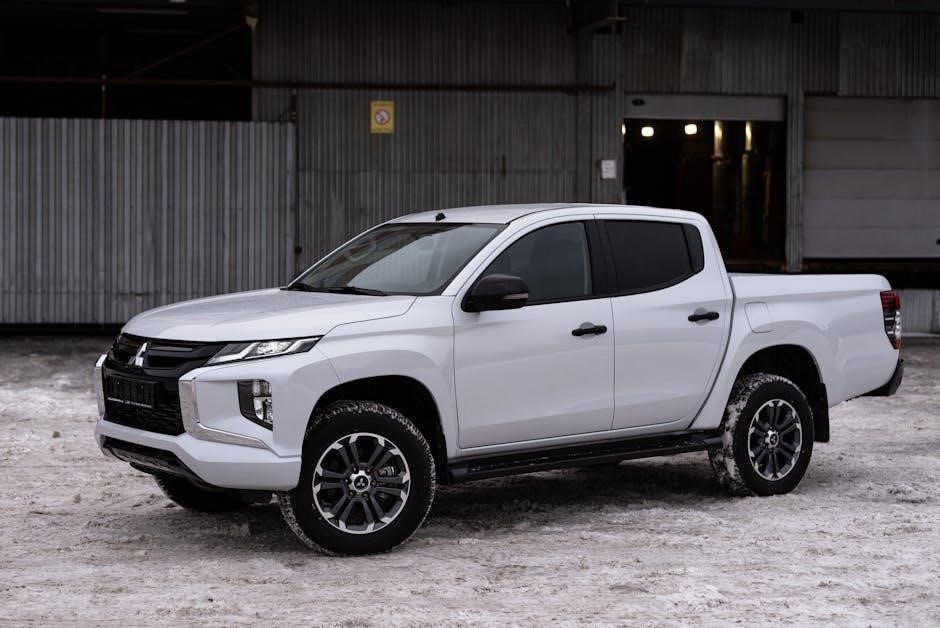
Extended cab trucks, known as SuperCab or Double Cab depending on the manufacturer, balance passenger room with cargo capacity. These models typically offer choices between a 5.5-foot, 6.5-foot, or even an 8-foot bed, though the 8-foot option is becoming less common due to overall vehicle length considerations.

The 6.5-foot bed remains a popular choice, providing a versatile length for both work and personal use. The 5.5-foot bed offers increased maneuverability in urban environments, while still accommodating many common cargo needs. Selecting the right bed length depends on prioritizing passenger comfort versus maximizing hauling capabilities within the extended cab configuration.
Crew Cab & Bed Size Options
Crew cab trucks prioritize interior passenger space, generally offering the most room for adults in both front and rear seats. Consequently, bed length options are often more limited compared to other cab configurations. Typically, crew cabs are paired with either a 5.5-foot or a 6.5-foot bed. The 8-foot bed is rarely, if ever, offered with a crew cab due to the resulting overall vehicle length.
The 5.5-foot bed is a common choice for crew cabs, balancing decent cargo capacity with manageable vehicle dimensions. Those needing more hauling capability will opt for the 6.5-foot bed, understanding it will result in a longer overall vehicle footprint. Prioritizing passenger comfort dictates the crew cab choice, with bed length selected accordingly.
Common Truck Bed Lengths Explained
Truck beds commonly come in three primary lengths: 5.5-foot, 6.5-foot, and 8-foot. Each length caters to different needs. The 5.5-foot bed offers greater maneuverability and easier parking, ideal for urban environments, but sacrifices cargo volume. The 6.5-foot bed strikes a balance between usability and practicality, making it the most popular choice for a wide range of owners. It accommodates many common materials and projects.
Finally, the 8-foot bed maximizes cargo capacity, perfect for those frequently hauling large items or requiring substantial space for work or recreational pursuits. Choosing the right length depends on how you intend to use your truck, balancing convenience with hauling requirements.
5.5-Foot Bed: Applications and Limitations
The 5.5-foot truck bed excels in scenarios prioritizing maneuverability and ease of parking, particularly within city limits. It’s well-suited for daily commuting, light-duty hauling like groceries or smaller landscaping materials, and recreational activities where space isn’t paramount; However, its shorter length presents limitations.
Larger items, such as full sheets of plywood or furniture, often won’t fit flat, requiring angled loading or the use of a bed extender. While adequate for many tasks, it compromises cargo volume compared to longer beds. Consider if your typical hauling needs frequently exceed its capacity before opting for this size.
6.5-Foot Bed: The Most Popular Choice
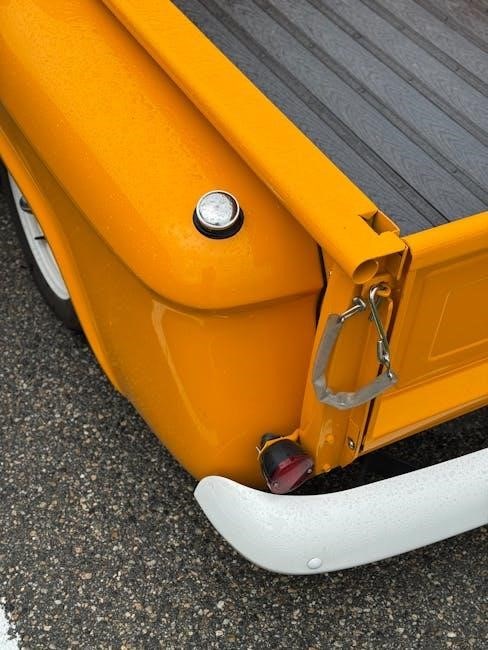
The 6.5-foot bed consistently ranks as the most popular option, striking a versatile balance between cargo capacity and everyday usability. It accommodates a wider range of materials, including standard plywood sheets and larger furniture items, without requiring angled loading in most cases. This makes it ideal for homeowners, contractors, and those with diverse hauling requirements.
It offers sufficient space for camping gear, sports equipment, and weekend projects, while still maintaining reasonable maneuverability. The 6.5-foot bed represents a sweet spot for drivers seeking a practical and adaptable truck bed solution, proving its widespread appeal across various applications.
8-Foot Bed: Maximum Capacity and Versatility
The 8-foot bed represents the pinnacle of truck bed capacity, catering to those with substantial hauling needs. It effortlessly accommodates full sheets of lumber, large appliances, and significant quantities of materials, making it a favorite among professionals and serious DIY enthusiasts; This length minimizes the need for multiple trips, boosting efficiency and saving time.
While offering maximum versatility, it’s important to acknowledge that an 8-foot bed can slightly impact maneuverability, particularly in tight spaces. However, for individuals prioritizing cargo volume and the ability to transport oversized items, the 8-foot bed remains the undisputed champion, offering unparalleled practicality.
Truck Bed Width and Height Considerations
Beyond length, truck bed width and height are crucial factors impacting usability. Most full-size trucks maintain a consistent width of around 50-60 inches between the wheel wells, limiting the width of items that can lay flat. Height, typically ranging from 18-22 inches, dictates whether taller cargo can be accommodated without a tonneau cover.
These dimensions influence the types of accessories that fit properly. Bed liners and covers can slightly reduce usable space, so accounting for these additions is vital. Understanding these measurements ensures efficient cargo management and prevents frustrating surprises when attempting to load or secure items within the truck bed. Careful consideration of width and height maximizes the truck’s utility.

Full-Size vs. Mid-Size Truck Bed Differences
Significant disparities exist between full-size and mid-size truck bed dimensions. Full-size trucks, like the Ford F-150 and Ram 1500, generally offer bed lengths of 5.5, 6.5, and 8 feet, with widths around 65-68 inches. Mid-size trucks, such as the Toyota Tacoma and Ford Ranger, typically feature shorter beds – 5 to 6 feet – and narrower widths, often around 48-50 inches between wheel wells.
This translates to considerably more cargo volume and hauling capacity in full-size models. Mid-size trucks prioritize maneuverability and fuel efficiency, sacrificing some bed space. Choosing between the two depends on individual needs; full-size for heavy-duty tasks, and mid-size for lighter loads and urban driving.
Full-Size Truck Bed Dimensions (e.g., Ford F-150, Ram 1500)
Full-size trucks, exemplified by the Ford F-150 and Ram 1500, present a range of bed configurations. The standard lengths are 5.5 feet, 6.5 feet, and 8 feet. A 5.5-foot bed typically measures around 67.1 inches long, with a width of approximately 65 inches; The 6.5-foot bed extends to roughly 78.5 inches in length, maintaining a similar width. The longest 8-foot bed reaches about 97.9 inches, offering maximum cargo space.
Bed widths generally fall between 65-68 inches, though the usable width between wheel wells is narrower, around 50-52 inches. Height varies based on cab configuration, but averages around 22 inches. These dimensions provide substantial capacity for hauling materials and equipment, making them ideal for work and recreational purposes.
Mid-Size Truck Bed Dimensions (e.g., Toyota Tacoma, Ford Ranger)
Mid-size trucks like the Toyota Tacoma and Ford Ranger offer a balance between capability and maneuverability, reflected in their bed dimensions. Common bed lengths include 5-foot and 6-foot options. A 5-foot bed generally measures around 60.5 inches in length and approximately 60.4 inches in width. The 6-foot bed extends to roughly 72.6 inches long, providing increased cargo volume.
Usable width between the wheel wells typically ranges from 41.5 to 48.4 inches, depending on the model. Bed height is generally lower than full-size trucks, averaging around 19-21 inches. These dimensions make mid-size trucks suitable for everyday tasks and lighter hauling needs, while remaining easier to navigate in urban environments.
Measuring Your Truck Bed Accurately
Accurate truck bed measurements are crucial for purchasing accessories like bed liners, covers, or tents, and for calculating cargo capacity. Start by measuring the bed length from the tailgate to the front bulkhead, ensuring a straight line. Then, measure the bed width at its widest point, and between the wheel wells for usable space.
Height is measured from the bed floor to the top of the bed rails. Utilize a flexible measuring tape for curves. Account for any intrusions like tie-down points. Double-check all measurements, and consider taking photos for reference. Precise measurements prevent costly errors when selecting truck bed components, guaranteeing a proper fit and maximizing functionality.
Truck Bed Volume Calculation: How Much Can It Hold?
Calculating truck bed volume helps determine hauling capacity. Begin by converting all measurements – length, width, and height – to the same unit (typically feet or cubic feet). Multiply these three dimensions to obtain the total volume in cubic feet. However, remember this is a theoretical maximum.
Real-world capacity is reduced by wheel well intrusions and bed features. For a more accurate estimate, subtract the volume displaced by these obstructions. Consider the type of material being hauled; weight limits are equally important as volume. Always adhere to your truck’s Gross Vehicle Weight Rating (GVWR) to ensure safe and legal operation, preventing potential damage or accidents.
Accessories and Their Impact on Usable Space
Truck bed accessories significantly alter usable space. Bed liners, while protecting the bed, typically have minimal impact on overall dimensions, offering a negligible reduction in cargo area. However, truck bed covers, like tonneau covers, can reduce vertical space, limiting the height of items you can transport.
Motorized covers, while convenient, may occupy additional space when retracted. Other accessories, such as toolboxes or bed dividers, directly consume volume. When calculating cargo capacity, account for these additions. Consider the accessory’s footprint and how it affects the bed’s length, width, and height, ensuring your load fits securely and safely.
Bed Liners and Their Effect on Dimensions
Bed liners are crucial for protecting your truck bed from scratches and corrosion, but their impact on usable dimensions is generally minimal. Most bed liners, whether drop-in or spray-in, are designed to fit within the existing bed contours, resulting in a negligible reduction in cargo space – often less than an inch in height.

However, some thicker drop-in liners can slightly reduce bed height. It’s essential to verify the liner’s specifications before installation. While liners don’t significantly alter length or width, they can sometimes slightly reduce the effective width at the very top of the bed due to their edge profile. For precise measurements, always measure with the liner installed.
Truck Bed Covers: Tonneau Covers and Their Fit
Tonneau covers offer security and weather protection, but their installation impacts usable space. Soft roll-up covers generally have a minimal effect on bed height, typically adding less than an inch. However, hard folding or retractable covers can reduce vertical space by a few inches, potentially limiting taller cargo.
The fit is paramount; a properly fitted tonneau cover shouldn’t reduce usable length or width. Ensure the cover is specifically designed for your truck’s bed size and cab configuration. Some covers mount inside the bed rails, slightly reducing width, while others sit flush or above, preserving the full bed width. Always confirm dimensions with the manufacturer before purchasing to avoid compatibility issues.
Using Truck Bed Size for Camping and Truck Tents
Truck bed size is crucial when considering camping setups, particularly with truck tents. A 5.5-foot bed limits tent options, typically accommodating one or two sleepers comfortably. A 6.5-foot bed provides more space, often fitting a full-size tent for two adults. The spacious 8-foot bed offers the most versatility, potentially housing larger family-sized tents or ample gear storage alongside a smaller tent.
When selecting a truck tent, verify its dimensions against your bed’s internal length and width; Consider the bed’s height, as some tents require sufficient headroom. Remember that tonneau covers or bed liners can slightly reduce usable space, impacting tent fit. Proper measurement ensures a secure and comfortable camping experience.
Load Capacity and Weight Distribution
Understanding your truck bed’s load capacity is paramount for safe hauling. This isn’t solely about bed size; it’s dictated by the truck’s Gross Vehicle Weight Rating (GVWR) and Rear Axle Weight Rating (RAWR). Exceeding these limits compromises handling and braking. Weight distribution within the bed is equally vital.
Concentrating weight towards the front of the bed minimizes stress on the rear suspension. Heavier items should always be positioned directly over or slightly ahead of the rear axle. Secure loads properly using straps or tie-downs to prevent shifting during transit. Remember that accessories like bed liners add weight, reducing the available payload capacity.
Truck Bed Apron Curb Dimensions & Concrete Considerations
Truck bed apron curbs, often integral concrete structures, are crucial for defining loading zones and preventing vehicle roll-off. Standard dimensions typically involve a 0.127 square foot area, with a minimum 3-0 inch expansion joint filled with preformed material. Proper concrete mix design is essential for durability, resisting abrasion and weathering from truck traffic.
Considerations include adequate drainage to prevent water accumulation and potential freeze-thaw damage. Reinforcement with steel rebar enhances structural integrity. Vertical clearances must adhere to safety regulations, ensuring sufficient space for maneuvering. Careful planning and adherence to local building codes are vital for a safe and functional truck bed apron.
Warehouse Design & Lift Truck Bed Integration
Effective warehouse design prioritizes seamless integration between lift trucks and racking systems, optimizing space and workflow. The “truck bed” – referring to loading dock areas – must accommodate varying truck sizes and configurations, ensuring efficient loading and unloading processes. Crown specializes in designing systems where the lift truck and rack function as a unified unit.
Utilitrucks, capable of carrying up to 1,500 lbs and two passengers, exemplify the need for adaptable bed designs. Considerations include dock height alignment, door widths, and sufficient maneuvering space. Proper lighting and clear markings enhance safety. A well-integrated system minimizes bottlenecks, reduces damage, and maximizes overall warehouse productivity.
Travel Cases & Truck Bed Compatibility
When transporting luggage, ensuring travel case compatibility with your truck bed is crucial for secure and efficient travel. Cases come in carry-on and check-in sizes, requiring careful measurement against available bed space. Consider the bed’s length, width, and any obstructions like wheel wells or tie-down points.
Accessories like padded inserts and protective foam are vital for safeguarding contents during transit. Schutzkoffer offers compatible accessories for enhanced protection. Prioritize cases that maximize space utilization while maintaining stability. A snug fit minimizes shifting during travel, preventing damage to both the luggage and the truck bed itself. Careful planning ensures a worry-free journey.
Bed Planting Details & Landscaping Dimensions
Utilizing a truck bed for temporary landscaping or transporting plants requires attention to dimensional constraints and structural integrity. Topsoil stabilization matting is essential to prevent erosion and maintain plant health during transit. Vertical clearances must be considered, prohibiting bracing within the bed to avoid damage.
Detailed planning is vital, factoring in plant size, weight, and the need for adequate drainage. Ensure the load is evenly distributed to maintain vehicle stability. Specific dimensions for planting are crucial; avoid exceeding the bed’s capacity. Remember that the truck bed isn’t designed as a permanent garden, so temporary solutions are best.