Article Plan: Arrow 8×10 Metal Shed Instructions
This comprehensive guide details the assembly of an Arrow 8×10 metal shed, covering everything from unboxing to long-term maintenance and optimal storage solutions.
The Arrow 8×10 metal shed is a popular choice for homeowners seeking affordable and convenient outdoor storage. Constructed from light-gauge metal, these sheds offer a relatively straightforward assembly process, making them accessible to DIY enthusiasts. However, understanding the nuances of assembly, potential limitations, and proper maintenance is crucial for maximizing its lifespan and functionality.
Generally, these sheds provide reasonable weather protection, though they can be susceptible to dampness during periods of heavy, wind-driven rain. While offering a decent storage footprint, their comparatively short height limits vertical space. Expect around five years of reliable use with regular access before potential issues with the sliding door mechanism arise. This guide will navigate you through each step, ensuring a successful build and years of dependable storage for appropriate items like garden tools and lawnmowers.
Unboxing and Inventory
Upon receiving your Arrow 8×10 metal shed, carefully inspect the packaging for any signs of damage during shipping. Before opening, document the condition of the boxes with photographs – this is vital for potential claims. Once opened, lay out all components and cross-reference them with the parts list included in the assembly manual.
The manual serves as your primary guide, detailing every nut, bolt, panel, and frame piece. Discrepancies should be reported to the manufacturer immediately. Organize parts logically – grouping similar items will streamline the assembly process. Pay close attention to identifying different screw sizes and panel types. A thorough inventory now prevents frustrating delays later. Missing or damaged parts can significantly hinder progress, so verification is key to a smooth build.
Safety Precautions
Prioritizing safety during the assembly of your Arrow 8×10 metal shed is paramount. Always wear safety glasses to protect your eyes from flying debris, especially when using power tools. Work gloves are essential to prevent cuts and scrapes from sharp metal edges. Sturdy, closed-toe shoes are a must to safeguard your feet.
When lifting heavy panels, employ proper lifting techniques – bend your knees, keep your back straight, and ask for assistance if needed. Be mindful of pinch points during frame assembly. If using a ladder, ensure it’s on a level surface and securely positioned. Keep children and pets away from the construction area. Finally, familiarize yourself with the tool safety guidelines before operation, and never force tools beyond their intended capacity.
Tools Required for Assembly
Successfully assembling your Arrow 8×10 metal shed requires a specific set of tools. A power drill with various bits is essential for screwing panels together. A Phillips head screwdriver, both manual and powered, will be frequently used. A level, both a spirit level and potentially a laser level, is crucial for ensuring a square and stable structure.
You’ll also need a measuring tape for accurate panel placement, and a wrench set to tighten bolts. A rubber mallet can help gently align panels without causing damage. Safety glasses and work gloves are vital for personal protection. Consider a circular saw or metal shears for any necessary panel adjustments, though these aren’t always required. Finally, a ladder may be needed for roof panel installation.
Site Preparation
Proper site preparation is paramount for a durable and long-lasting Arrow 8×10 metal shed installation. Begin by clearing the chosen area of all vegetation, rocks, and debris. Accurate measurements are key; ensure the space is slightly larger than the shed’s 8×10 footprint to allow for assembly room.
Leveling the ground is critical – even slight inclines can cause structural issues. Consider foundation options like a concrete slab (ideal), brick or block foundation, or a pressure-treated lumber and plywood base. A solid, level foundation prevents warping and ensures smooth door operation. Prioritize drainage to avoid water accumulation around the shed’s base, extending its lifespan and protecting stored contents.
Choosing a Level Location
Selecting a perfectly level location is arguably the most crucial step in successful Arrow 8×10 shed assembly. Even a seemingly minor slope can lead to significant problems, including door misalignment, structural stress, and eventual warping of the shed’s frame. Utilize a long level – at least four feet – and check the ground in multiple directions.
Avoid areas prone to water pooling or with poor drainage. Consider the long-term impact of sunlight exposure and potential wind loads. A stable, well-drained spot will maximize the shed’s lifespan and ensure its contents remain protected. Remember, a solid foundation begins with a meticulously chosen and leveled site.
Foundation Options: Concrete Slab
A concrete slab represents the most durable and long-lasting foundation for your Arrow 8×10 metal shed. Ideally, the slab should extend at least four inches beyond the shed’s perimeter on all sides, providing ample support. A thickness of four to six inches is recommended, reinforced with wire mesh or rebar for added strength and to prevent cracking.
Ensure the slab is perfectly level during pouring and curing. This eliminates the need for extensive shimming during assembly. A properly prepared concrete slab offers superior stability, prevents ground moisture from affecting the shed’s contents, and significantly extends the shed’s overall lifespan. It’s the premium, albeit more labor-intensive, foundation choice.
Foundation Options: Brick or Block
Utilizing brick or concrete blocks provides a viable alternative to a full concrete slab for your Arrow 8×10 metal shed foundation. This method requires careful leveling; each brick or block must be precisely positioned to create a consistently level surface. A gravel base is crucial for drainage and stability, placed beneath the brick or block perimeter.
Ensure the blocks are tightly fitted together, and consider using mortar to secure them for increased durability. While less expensive and labor-intensive than a slab, brick or block foundations may require periodic adjustments to maintain levelness. This option offers good support but doesn’t match the longevity or moisture protection of a concrete slab.
Foundation Options: Pressure Treated Lumber & Plywood
For a cost-effective foundation, consider pressure-treated lumber framing topped with exterior-grade plywood. This approach involves constructing a rectangular frame using 4×4 or 6×6 pressure-treated timbers, ensuring square corners and robust support. A gravel base remains essential for drainage and preventing ground contact with the wood.
The plywood sheeting, at least ¾ inch thick, is then secured to the lumber frame, creating a solid base for the shed. While simpler than concrete, this method demands careful construction and regular inspection for rot or decay; It’s the least durable option, offering a shorter lifespan compared to concrete or brick foundations, but is suitable for temporary or less demanding applications.
Frame Assembly ⏤ Base Rails
Begin frame assembly by connecting the base rails, forming the shed’s foundational rectangle. Carefully lay out the rails according to the assembly manual, ensuring correct orientation – typically, pre-drilled holes face inward. Utilize the provided hardware, often self-tapping screws, to join the corners securely.
Pay close attention to achieving a perfectly square frame; slight inaccuracies here will compound during subsequent assembly stages. A framing square is invaluable for this step. Once the rails are connected, double-check all fasteners for tightness; This base frame provides the structural integrity for the entire shed, so a solid foundation is crucial.
Wall Panel Installation
With the base rails secured, proceed to install the wall panels, carefully aligning them with the frame. Typically, these panels overlap slightly, creating a degree of weather resistance. Use the provided screws to attach each panel to the base rails and to adjacent panels, ensuring a flush fit.
Work systematically around the perimeter, maintaining consistent alignment. It’s often helpful to have a second person assist in holding panels in place during fastening. Be mindful of pre-drilled holes and avoid over-tightening screws, which could strip the metal. Regularly check for plumbness as you install each panel, correcting any deviations immediately. A level ensures a structurally sound and aesthetically pleasing shed.
Roof Frame Assembly
After the walls are secure, begin assembling the roof frame, typically consisting of rafters and support beams. Carefully connect these components using the supplied hardware, ensuring proper alignment and secure fastening. The roof frame’s structural integrity is crucial for withstanding weather elements like wind and snow.

Refer to the assembly manual for the correct orientation and placement of each piece. Often, the roof frame is pre-assembled in sections for easier handling. Once assembled, lift the roof frame onto the walls, centering it carefully. Securely attach the roof frame to the wall panels using appropriate screws or bolts, creating a robust connection. Double-check all connections for tightness and stability.
Roofing Panel Installation

With the roof frame securely in place, proceed to install the roofing panels. These panels typically overlap to create a watertight seal, so pay close attention to the correct orientation as outlined in the manual. Begin at the bottom edge of the roof and work your way upwards, securing each panel with the provided screws.
Ensure each screw is tightened sufficiently, but avoid over-tightening, which could damage the panels. Overlapping correctly is vital to prevent leaks, especially during wind-driven rain. Regularly check the alignment of the panels as you progress, maintaining a consistent and even surface. Finally, install any ridge caps or flashing as directed, completing the roof’s weather protection.
Door Installation & Adjustment
Once the walls are assembled, carefully install the sliding door(s) into the designated tracks. Begin by aligning the door rollers with the tracks, ensuring a smooth initial fit. Secure the door frame to the shed structure using the provided hardware, referencing the manual for precise placement. After installation, test the door’s sliding action; it should move freely and without obstruction.
Adjustment is often necessary to achieve optimal performance. Most Arrow sheds feature adjustable rollers; use these to fine-tune the door’s height and alignment. Over time, doors may become difficult to slide, so regular maintenance is key. A properly installed and adjusted door is crucial for security and ease of access.
Vent Installation
Proper ventilation is essential to prevent moisture buildup and maintain the integrity of your Arrow 8×10 shed. Locate the pre-drilled holes designated for vent installation, typically near the roofline or gable ends. Carefully attach the vent covers, ensuring a secure fit to prevent water intrusion while allowing airflow.
Use the provided screws or fasteners, tightening them sufficiently but avoiding over-tightening, which could damage the metal. Vents help regulate temperature and humidity, protecting stored items from mildew and rust. Regularly inspect the vents to ensure they remain unobstructed by debris or nesting materials. Effective ventilation contributes significantly to the shed’s longevity.
Addressing Watertightness Concerns
While Arrow sheds are generally watertight, wind-driven rain can sometimes penetrate seams. Thoroughly inspect all panel connections and roof overlaps during assembly, ensuring screws are properly tightened and sealant is applied where necessary. Pay close attention to the door tracks and any areas where panels intersect.
Consider applying a bead of exterior-grade silicone sealant along the roof seams and around the door frame for added protection. Regularly check for any signs of leaks, especially after heavy rainfall, and address them promptly. Proper site preparation, including a level foundation, is crucial for preventing water from pooling around the base. Maintaining a dry interior extends the lifespan of stored items.
Sliding Door Maintenance
The sliding doors on an Arrow 8×10 shed are a common area requiring attention after approximately five years of use. Regularly clean the door tracks with a brush or vacuum to remove debris, ensuring smooth operation. Lubricate the tracks with a silicone-based lubricant – avoid oil-based products which can attract dirt.
Inspect the rollers for wear and tear, replacing them if necessary. Check the door alignment; if the doors are binding or difficult to slide, adjust the rollers or track as needed. Periodically tighten any loose screws on the door frame and handles. Proper maintenance prevents sticking and extends the door’s functional lifespan, preserving the shed’s security and usability.
Long-Term Durability & Expected Lifespan (5 Years)
Arrow 8×10 metal sheds, constructed from lighter gauge metal, generally offer around five years of reasonable use with proper care. While mostly watertight, they can experience dampness during wind-driven rain due to inherent limitations in their construction. The shed’s relatively short height restricts overall storage capacity compared to wooden alternatives.
Durability is significantly impacted by the foundation; concrete slabs provide the longest lifespan, followed by brick/block and then pressure-treated lumber. Regular maintenance, particularly of the sliding doors, is crucial. Expect gradual wear and tear, but with attention, the shed can remain functional for several years beyond the initial expectation, providing reliable outdoor storage.
Storage Recommendations ⸺ What to Store
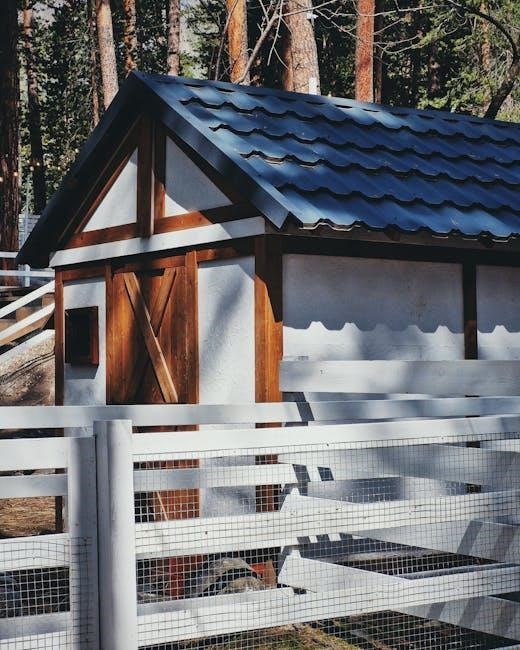
Maximize the utility of your Arrow 8×10 shed by storing appropriate items and avoiding those susceptible to moisture or pests. Ideal contents include garden tools, lawnmowers, and other outdoor equipment that can withstand minor dampness or dirt accumulation. These sheds are well-suited for items not requiring a climate-controlled environment.
Avoid storing cardboard boxes, wood, or anything attractive to rodents or insects, as the shed isn’t entirely pest-proof. To protect sensitive items, utilize heavy-gauge plastic storage bins. These bins offer an extra layer of defense against moisture, pests, and potential damage, ensuring your belongings remain in good condition. Prioritize practical storage solutions for lasting shed functionality.

Suitable Items (Garden Tools, Mowers)
The Arrow 8×10 metal shed excels at storing outdoor equipment designed for yard maintenance and gardening. Garden tools like shovels, rakes, hoes, and pruning shears are perfectly suited for this space, benefiting from the shed’s protection from the elements. Similarly, lawnmowers – both gas and electric – fit comfortably within the shed’s dimensions, keeping them secure and ready for use.
Other appropriate items include leaf blowers, weed whackers, and watering cans. These tools are often exposed to dirt and moisture, making the shed an ideal storage location. The shed’s metal construction offers reasonable protection, allowing these items to remain functional and organized. Remember, these sheds are best for items tolerant of potential dampness.
Items to Avoid (Cardboard, Wood)
When utilizing your Arrow 8×10 metal shed, certain materials should be avoided to maximize longevity and prevent damage to stored items; Cardboard is highly susceptible to moisture and pests, quickly becoming damaged and attracting unwanted critters. Storing cardboard within the shed is strongly discouraged, as even minor leaks can lead to significant deterioration.

Similarly, untreated wood should not be stored in the shed. Wood attracts insects and rodents, which can cause structural damage to both the wood itself and potentially the shed’s components. Moisture can also lead to rot and mildew. If wood storage is unavoidable, ensure it’s sealed and elevated, but plastic bins are a superior solution. Prioritize storing items that can withstand potential dampness.
Using Plastic Storage Bins
To safeguard valuable belongings within your Arrow 8×10 metal shed, utilizing heavy-gauge plastic storage bins is highly recommended. These bins provide a crucial barrier against moisture, pests, and potential temperature fluctuations common in metal structures. Opt for bins with secure, tight-fitting lids to ensure maximum protection from the elements and unwanted visitors.
Plastic bins are particularly essential for storing cloth items or any wood products. They prevent mildew, rot, and insect damage, extending the lifespan of these materials. Clear bins allow for easy identification of contents without needing to open them, streamlining organization. Investing in quality plastic storage solutions is a proactive step towards preserving your stored items and maximizing the shed’s utility.
Weather Considerations During Installation
Successful Arrow 8×10 metal shed installation hinges on carefully monitoring weather conditions. A dry installation day is paramount; avoid assembling during rain or with impending precipitation, as this can compromise structural integrity and create slippery, unsafe working conditions. Wind is another critical factor – strong gusts can make handling panels difficult and potentially dangerous.
Ideally, choose a calm, overcast day for assembly. Extreme temperatures, both hot and cold, can also affect metal panel expansion and contraction, potentially impacting alignment. Be mindful of the forecast and postpone the build if adverse weather is predicted. Proper planning regarding weather will ensure a smoother, safer, and more durable shed construction.
Understanding the Assembly Manual
The Arrow 8×10 metal shed assembly manual is your primary guide, containing crucial information for a successful build. Before commencing, thoroughly review the entire manual to familiarize yourself with all components, diagrams, and step-by-step instructions. Pay close attention to the parts list to ensure all pieces are present before starting.
The manual details safety precautions, required tools, and building dimensions. Follow the assembly sequence meticulously; skipping steps or deviating from the instructions can lead to structural issues. Diagrams are essential for visualizing connections and proper panel orientation. Understand that the manual is specific to your model (LW108 Series), so referencing other guides is not advised. Careful study will prevent errors and ensure a sturdy, long-lasting shed.
Common Assembly Challenges & Solutions
Assembling an Arrow 8×10 shed can present challenges, but most are easily overcome with patience and the right approach. A frequent issue is misaligned panels; ensure the base rails are perfectly level before proceeding. Difficulty with hardware often arises from not tightening bolts sufficiently, or using the incorrect size. Double-check the manual for proper fastener specifications.
Sliding door alignment is another common concern. Adjust the door tracks carefully, ensuring they are parallel and free of debris. If doors bind, slightly loosen the track screws and reposition. Watertightness can be compromised by gaps; use silicone sealant around seams and panel overlaps; Remember, a solid foundation is key to preventing future issues. Don’t hesitate to revisit the manual or seek online resources for clarification.
Warranty Information
Arrow Storage Products provides a limited warranty on its 8×10 metal sheds, protecting against manufacturing defects in materials and workmanship. The standard warranty typically covers rust and corrosion for a specified period, often ranging from 10 to 20 years, depending on the shed model and finish. However, this coverage is contingent upon proper installation and maintenance, as outlined in the owner’s manual.
The warranty does not cover damage resulting from improper site preparation, extreme weather events, modifications, or normal wear and tear. It’s crucial to register your shed promptly after purchase to activate the warranty. Keep your proof of purchase and the assembly manual for warranty claims. Detailed warranty information, including specific terms and conditions, can be found on the Arrow Storage Products website or by contacting their customer support.
Troubleshooting
Common issues during Arrow 8×10 shed assembly often involve misaligned panels or difficulty with the sliding door mechanism. If panels don’t fit flush, double-check that the base rails are perfectly level and square. Ensure all bolts are loosely fitted during initial assembly, allowing for adjustments. For sliding doors that bind or don’t close properly, inspect the tracks for debris and ensure they are clean and straight.
Watertightness problems can usually be resolved by carefully sealing seams with appropriate outdoor sealant. If you encounter missing parts, contact Arrow Storage Products’ customer support immediately. Remember to consult the assembly manual for diagrams and detailed instructions. Online forums and videos can also provide helpful tips from other shed owners facing similar challenges.
Resources & Support
For additional assistance beyond the included assembly manual, Arrow Storage Products offers a wealth of resources. Their official website (www.arrowsheds.com) provides downloadable manuals, frequently asked questions, and contact information for customer support. You can also find helpful videos demonstrating assembly techniques on platforms like YouTube by searching “Arrow shed assembly.”
Numerous online forums and communities dedicated to DIY projects feature discussions about Arrow sheds. These platforms allow you to connect with other owners, share experiences, and find solutions to common problems. Retailers like Lowe’s and Home Depot, where the shed is often purchased, may also offer assembly services or local support. Don’t hesitate to reach out to these channels for expert guidance.